

WAI: Workplace Assistant Interface
WAI: Workplace Assistant Interface
Self-directed Project / Dec 2019
A system designed to streamline communication and navigation within large companies or campuses.
Project includes Brand Development / Product Design / User Testing / Psychology / UX Research / Prototyping
WAI was inspired by a close friend of mine who was experiencing trouble both navigating and communicating with the right people while travelling to various locations for work, upon further research the pain point was validated and this solution idea was born using psychological principles and UX practices.
-
Objective: To create an application prototype that uses psychological theories to improve it and add purpose.
Idea: “wai: workplace assistant interface” was designed as a system to be used within workplaces that have a large location or more than one location to help navigate throughout the workplace and connect employees to simplify and streamline communication processes.
-
01. Simplify the training process and introduction to new workplaces for large offices or campuses.
02. Streamline communication processes by improving workplace efficiency.
03. Providing a versatile platform that could mold to meet a variety of business needs.
-
The main challenge was simplifying communication and navigation processes in a way that would suit many different locations, campuses, and business styles. Another challenge was deciding upon visual aspects like when businesses may prefer to apply their own branding to the app.
-
In the future, this project could be extended further through more departments and helpful features. With further refinement and user testing the fluidity of the app could be improved. Since this app was originally designed near the end of 2019, it was created using InVision to learn a new prototyping software. The prototype could be updated using Figma and a newer screen size.

Branding
How the Solution Works
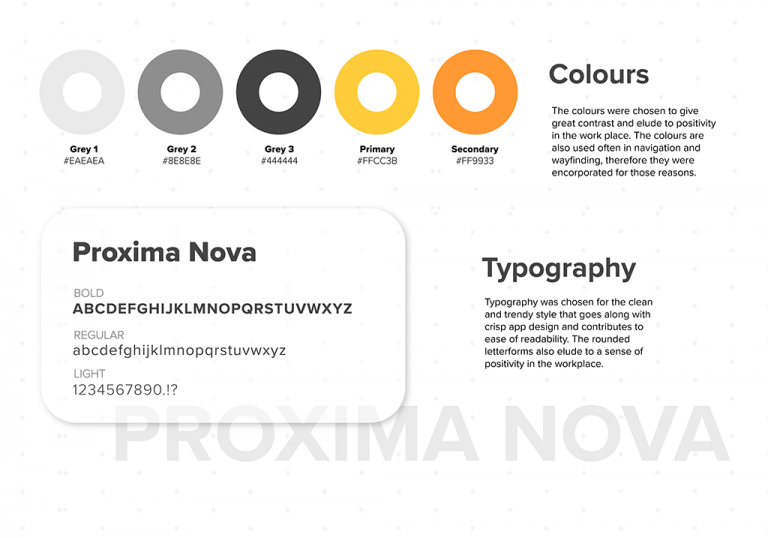
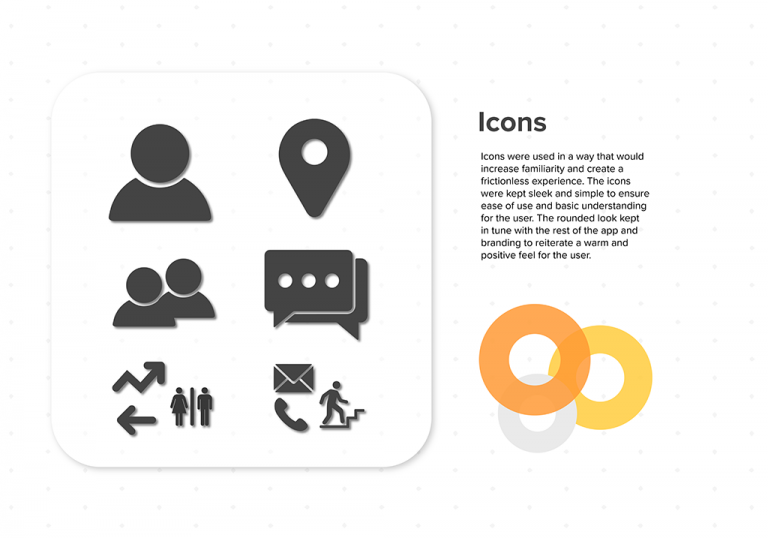
People are generally calmer when using navigation systems, which translates to better time management, more productivity, and less stress. All of which is better for employees and employers. Along with this, in way-finding, the look of the virtual space is often meant to fit the company and the brand which is why the application is so minimalistic. This way, the company branding of the users could be applied to the dashboard and personalized for each company.
Research & User Testing
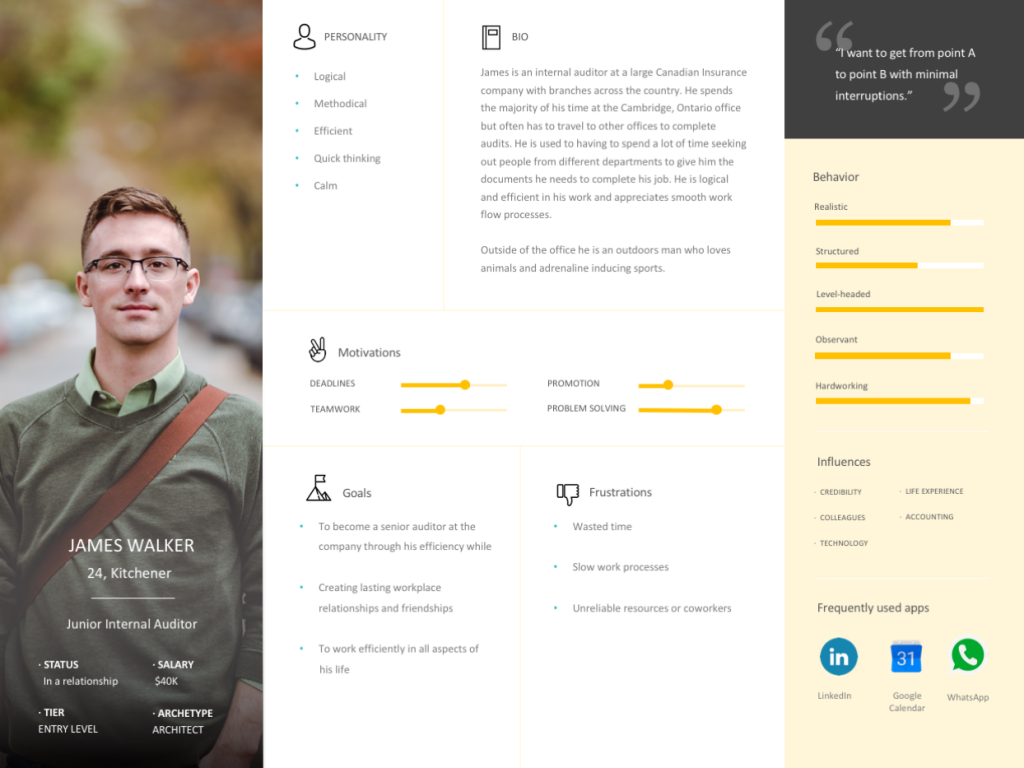
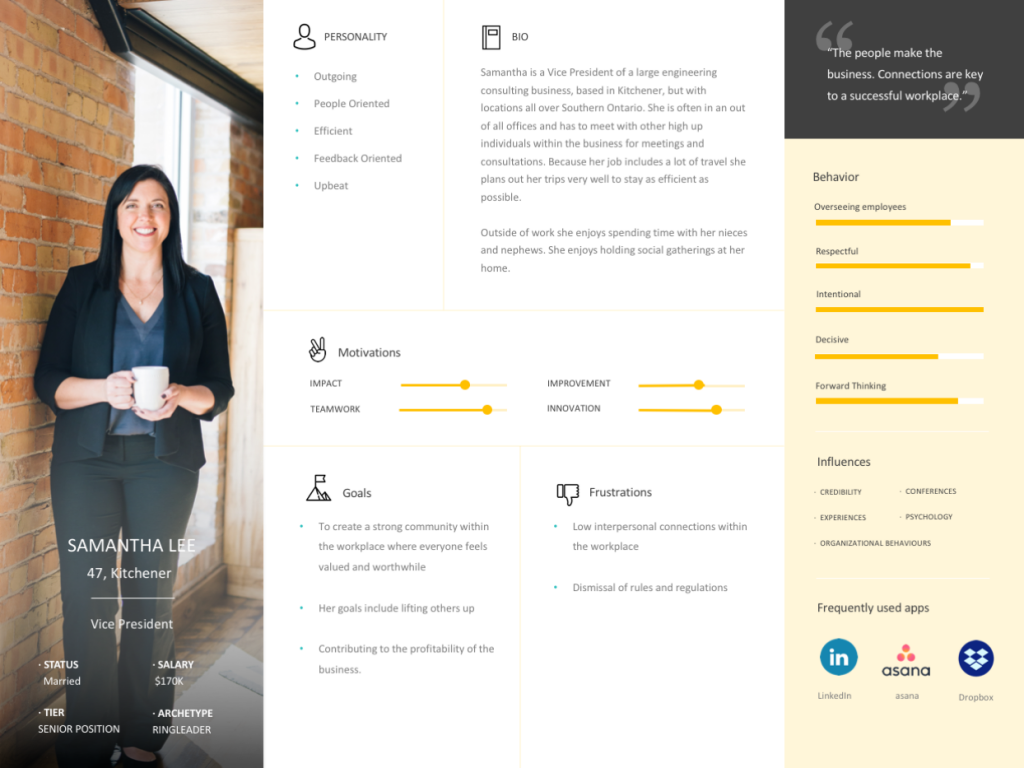
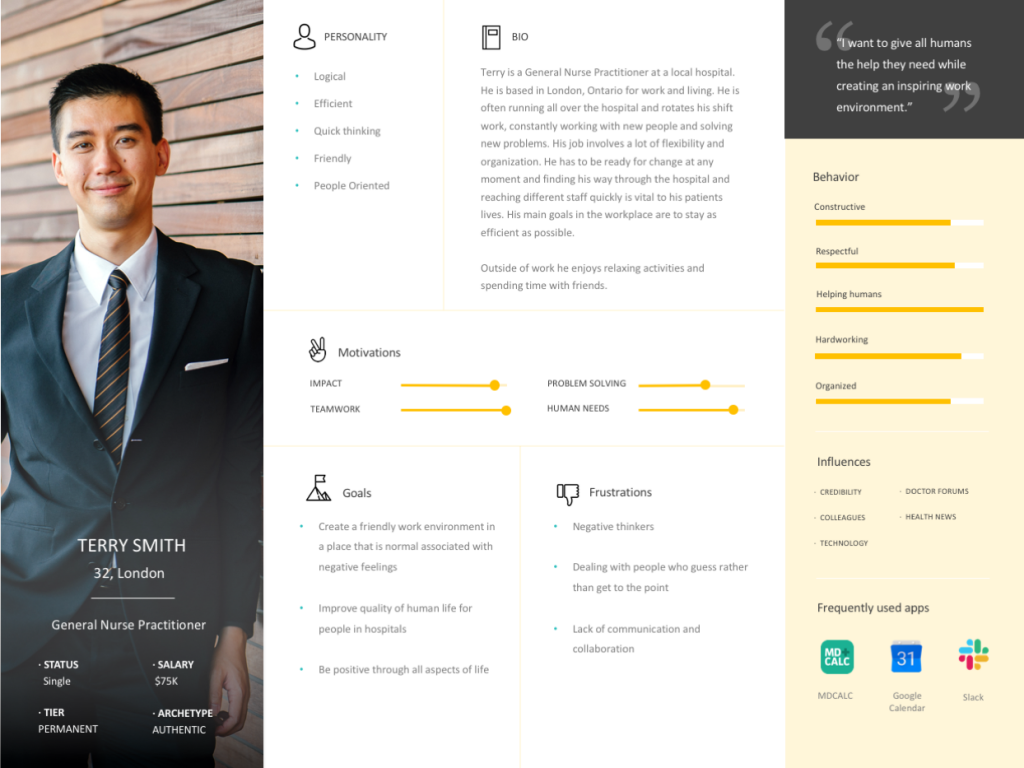
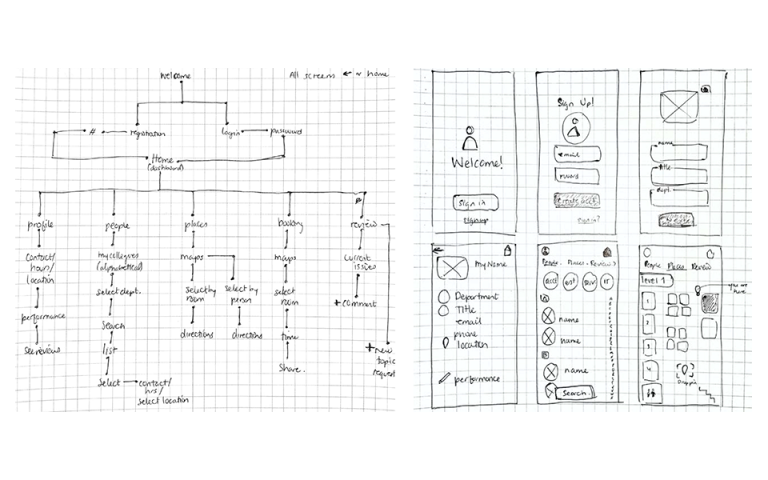
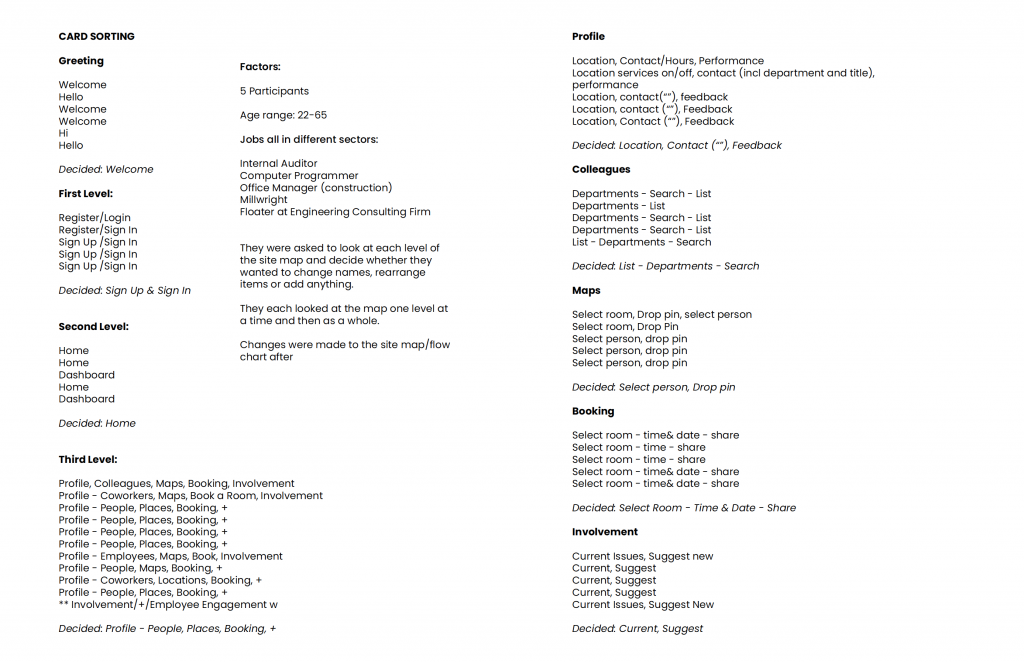
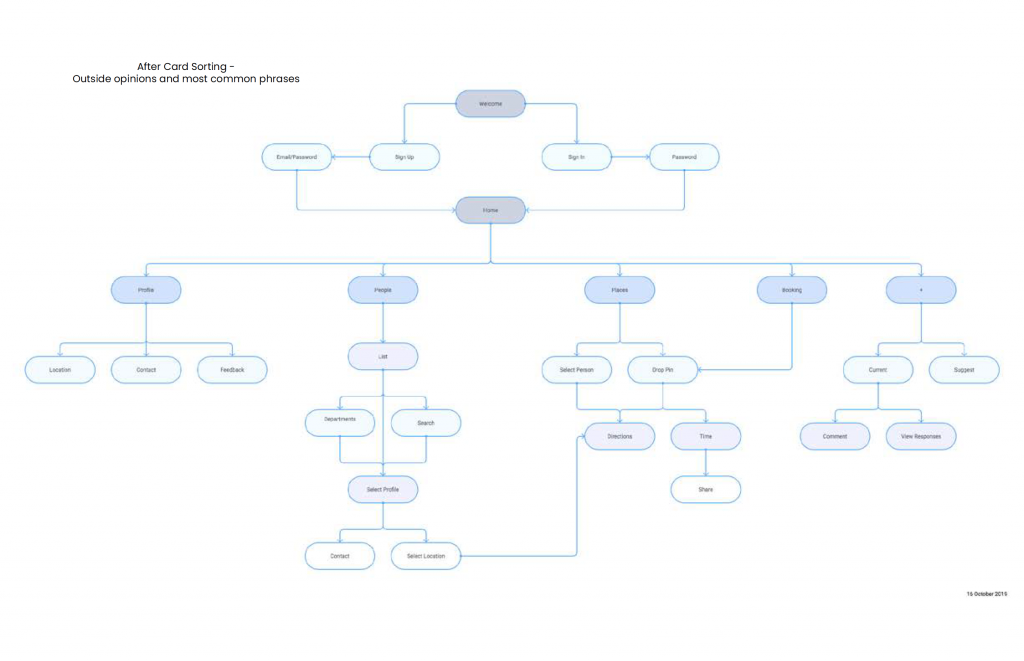
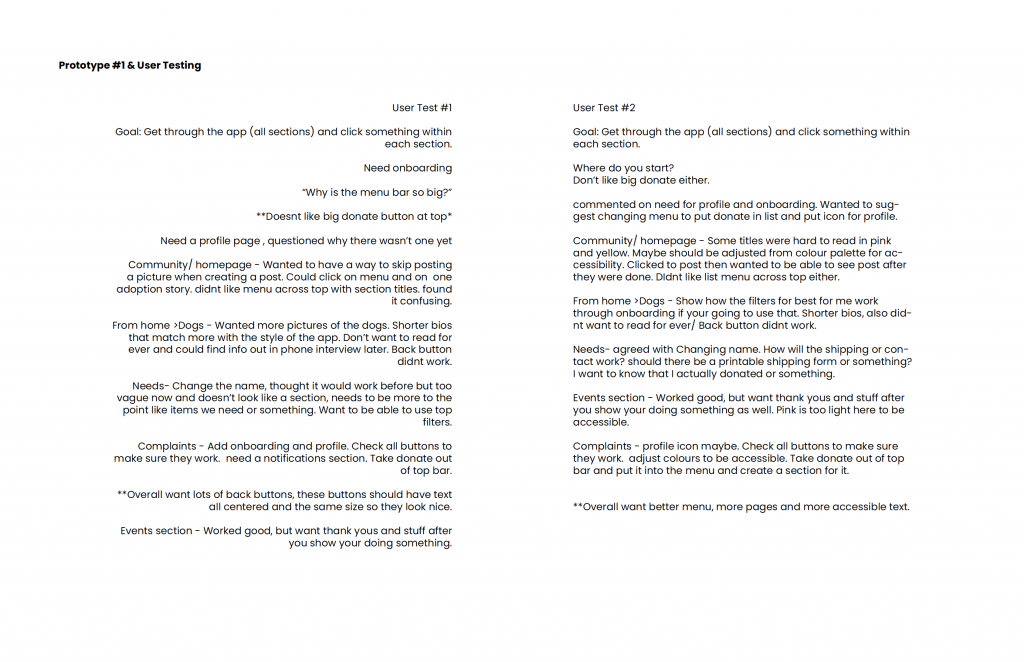
Research was done to solidify psychology principles and aspects of human behaviour behind the app and make sure that it made sense. Research was also done on direct and indirect competitors to ensure that there was a significant competitive advantage to using WAI. User tests and card sorting were utilized to ensure the best possible outcome for the app, along with creating individual user personas to further understand user needs and pain points.
Human Behaviour
Way-finding is a decision-making process that builds upon people’s perception of the environment, memory, and spatial learning processes. Mobile navigation technology has changed the way people get around cities, but it can also change the way people get around indoor locations as well. People don’t really learn their environments, they remember landmarks and create cognitive maps but those are quickly being replaced by digital maps.
Key Research
User Testing • Personas • Site Map
Key Findings
Video Solution
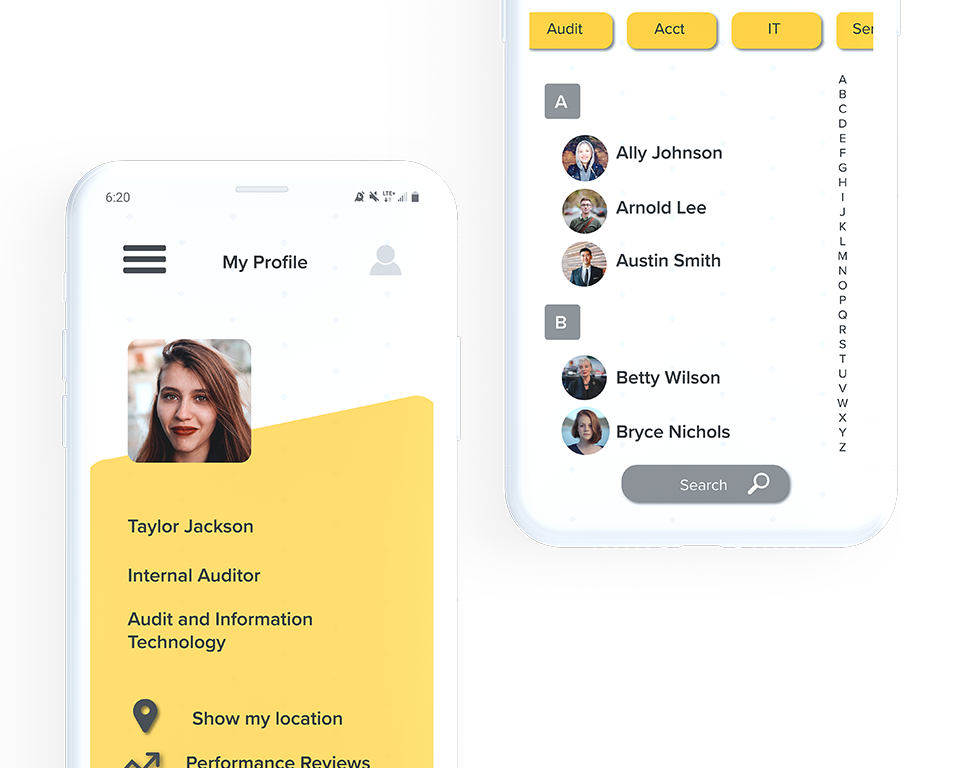
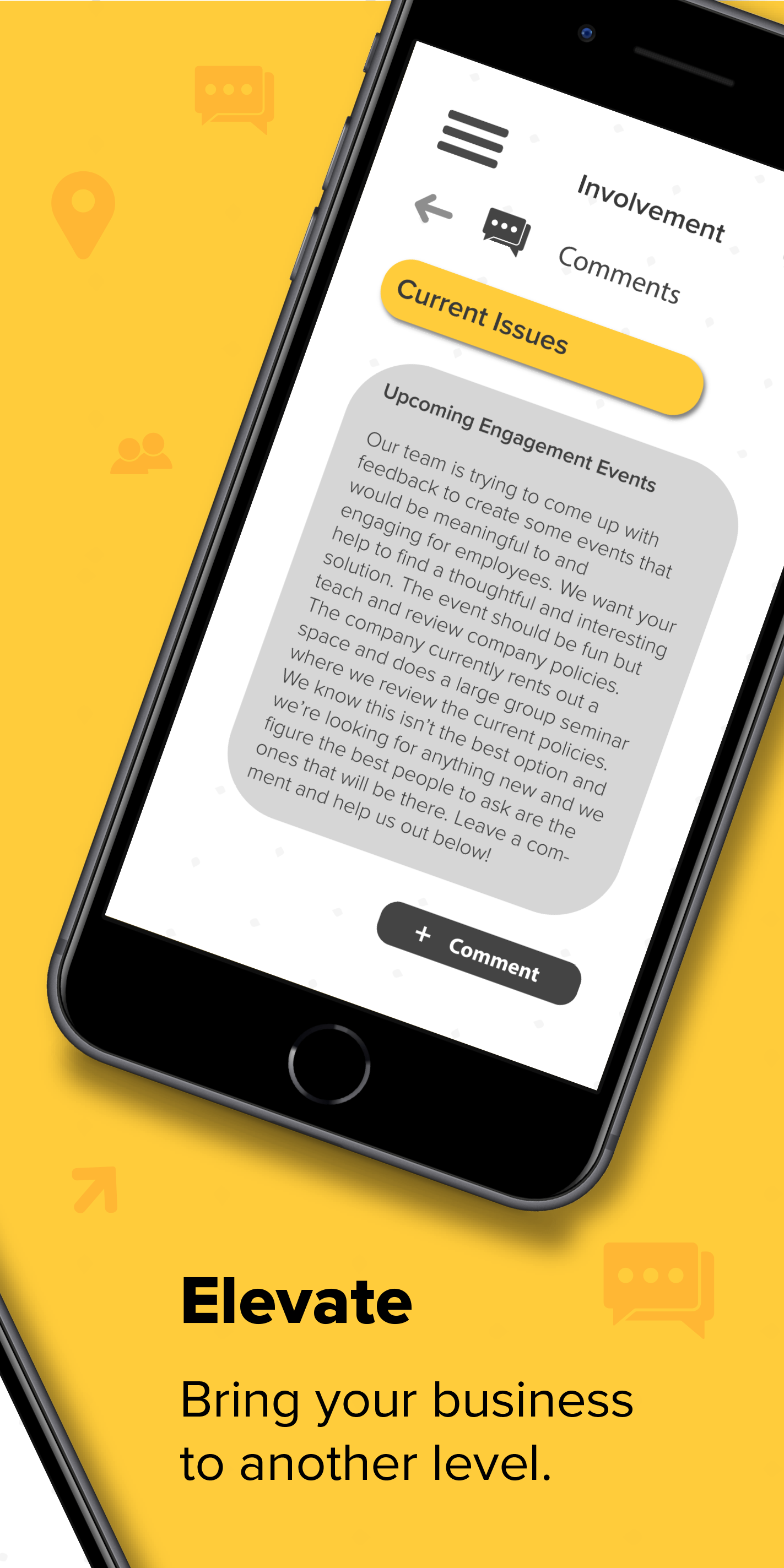
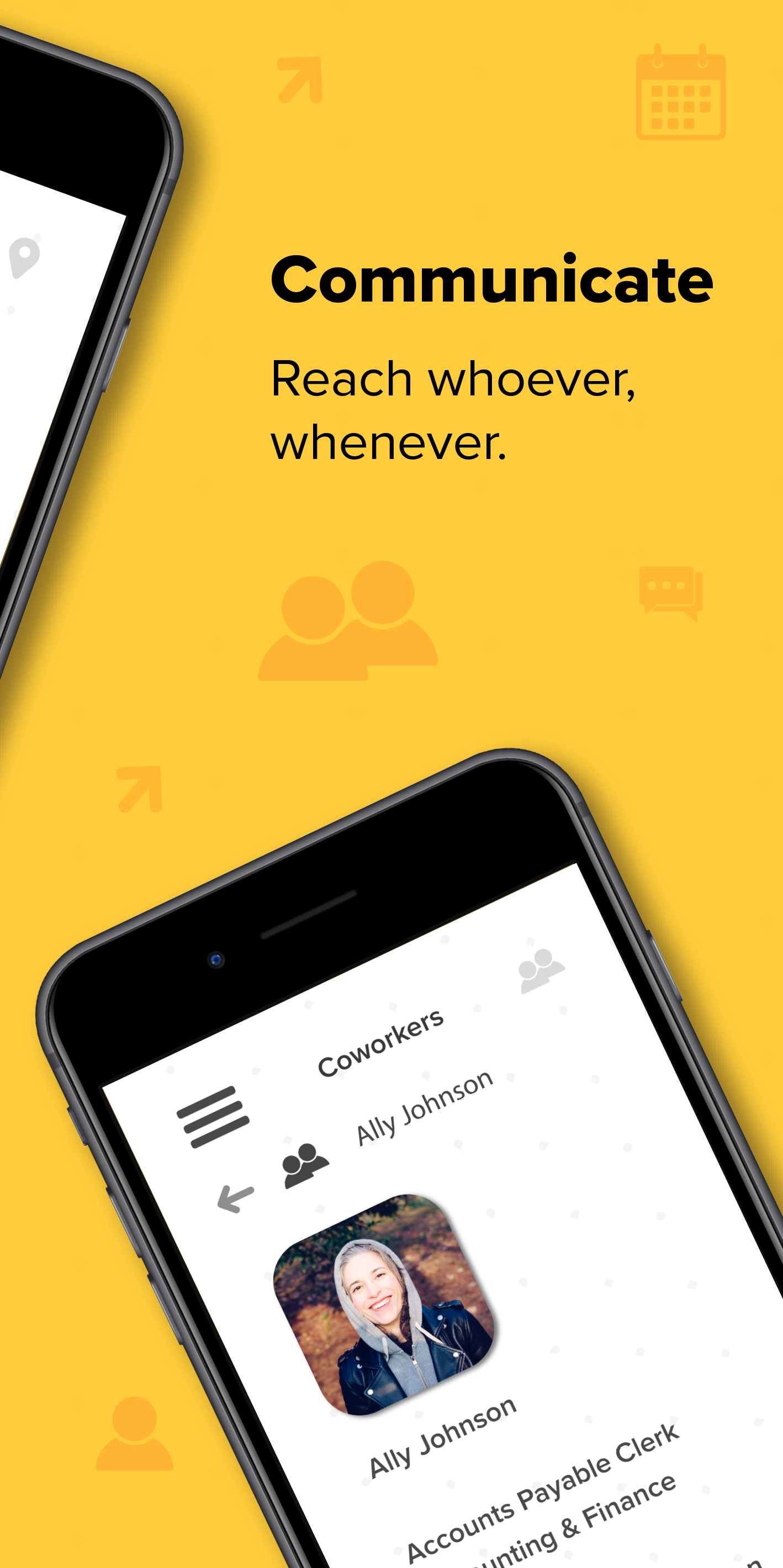
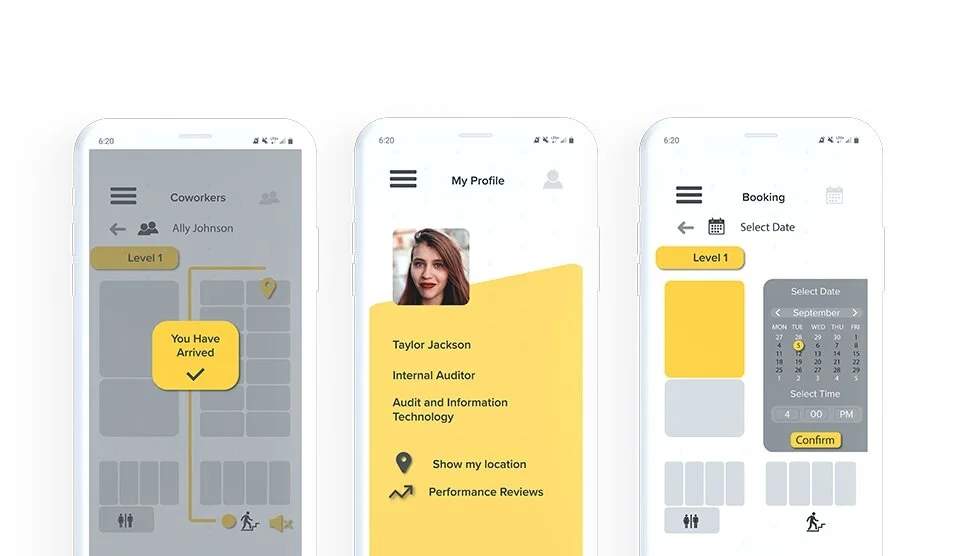
The final prototype showcases the main features and screens within the application. Sections such as the locations, coworkers, involvement, and profile as well as search, call, email, and performance reviews were all considered. In the future, I could see this project being extended further through more departments and features. With further refinement and user testing the fluidity could be improved. The UI was designed with FlowMapp and an interactive prototype was created using InVision.
More Projects